“We’re absolutely terrified of the staff in music shops because they might know something.”
Bleak Streak ·
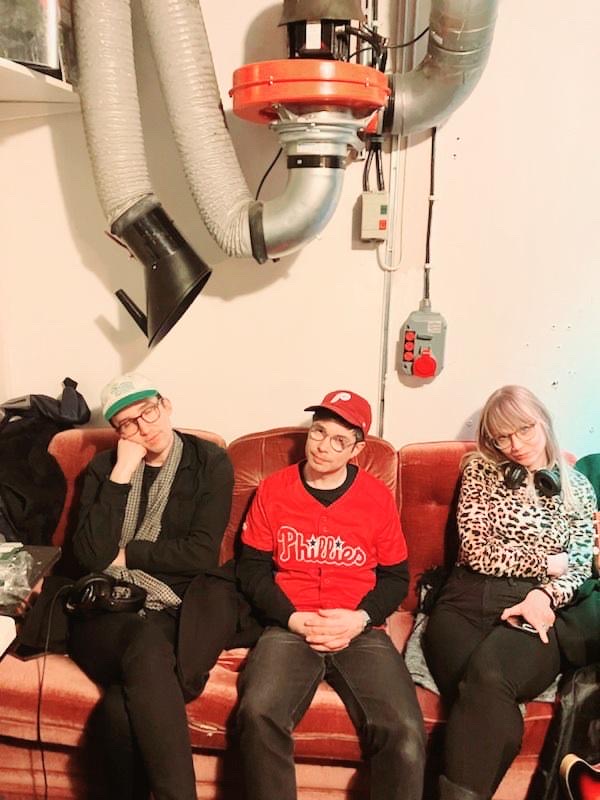
Bleak Streak are playing this Saturday at Club King Kong at Hus 7. This is an exciting band that my tired brain finds a little difficult to pin down. For precisely that reason, I decided to investigate the situation a bit by interviewing them. Read on!
Q: Your recordings have a lovely ’90s indie-pop vibe. It’s like listening to a compilation album from Emmaboda ’96 or something. Were you there back then? How old were you?
A: Unfortunately, we weren’t there. But we can reveal how old we were at the time and where we were, in some kind of approximate proximity to Emmaboda ’96.
Daniel was 18 and attended another festival that summer called Hultsfredsfestivalen, where he saw Yvonne’s epic 3 a.m. performance in an overcrowded theatre tent.
Lars was 11, had started listening to Straight Edge hardcore, and was hanging out at Govindas in Karlstad, which, for some reason, sold hardcore merch in addition to serving good food.
Melody was 7 and listening to Little Richard and Jackson 5 in Portland, already the coolest of us all.
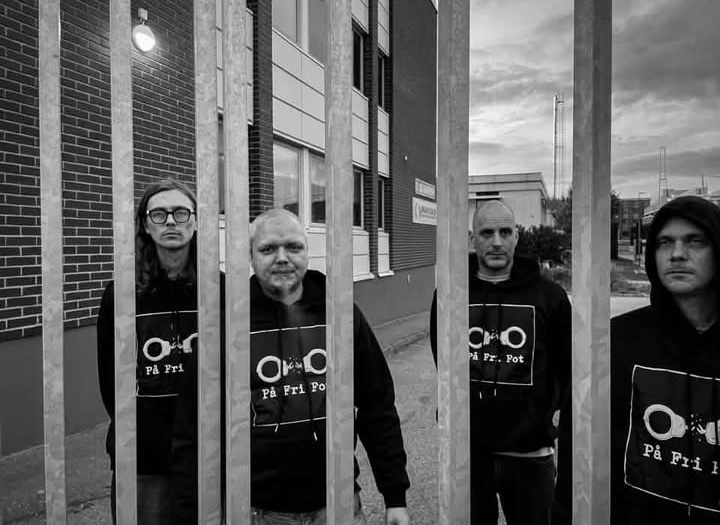
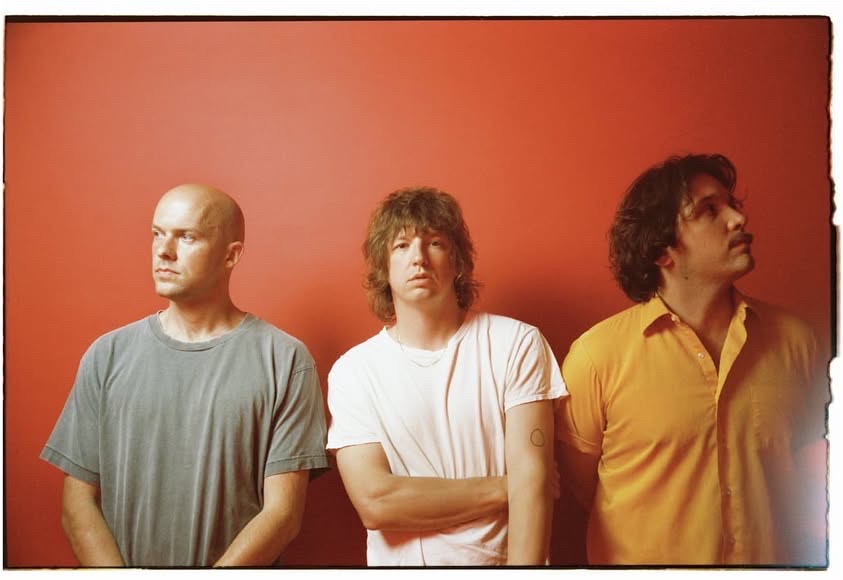
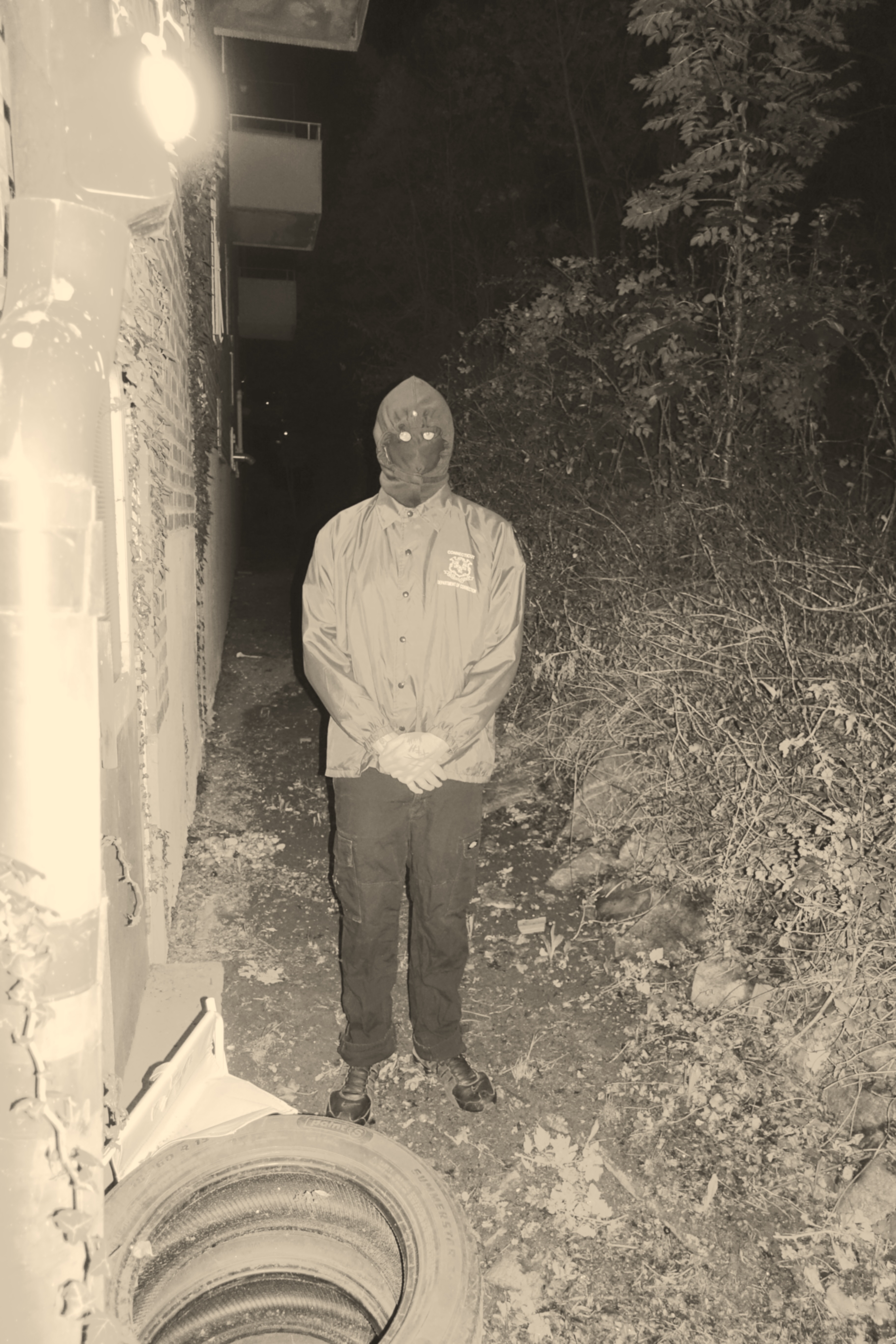
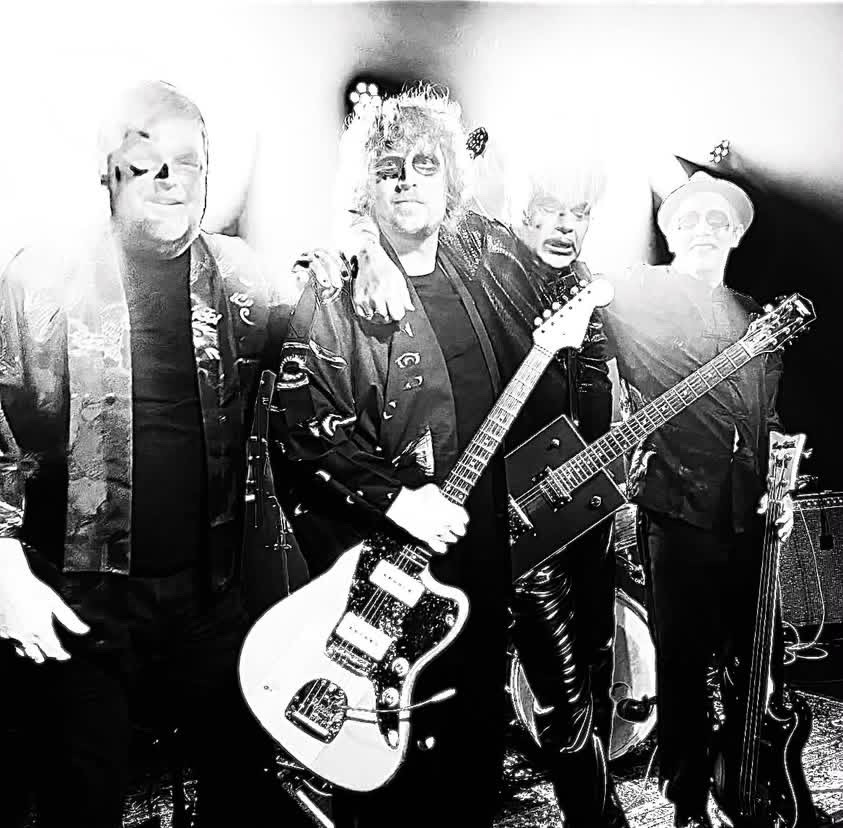
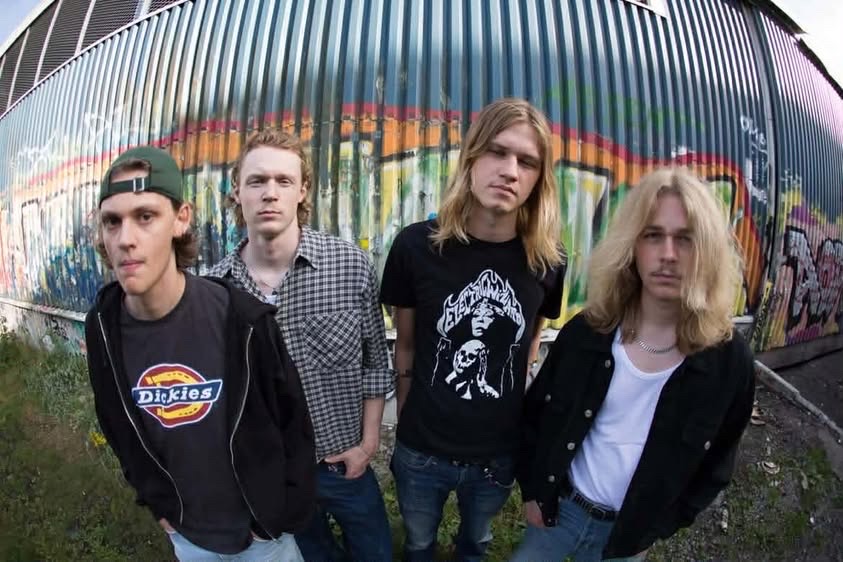
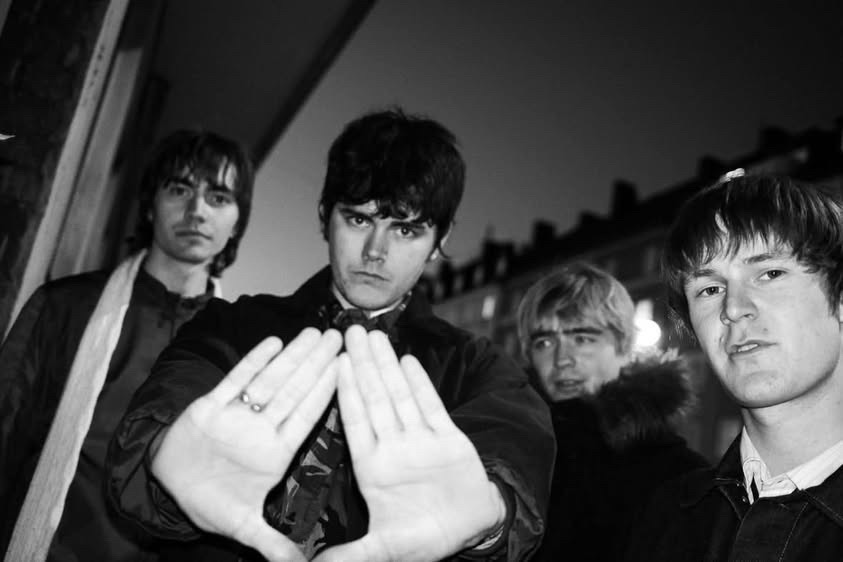
Q: Looking at your photos, you seem to be about a million people! Are you a collective, are there simply a hell of a lot of you, or am I just seeing double? What are all your names, and what do the different people play?
A: There’s a core of three people who make up the band Bleak Streak, and between us, we can handle quite a few instruments at a debatable level.
Melody: bass (or boom boom fiddle/boom stick, which are the technically correct terms), trumpet, the vocal instrument.
Daniel: drums, tambourine, glockenspiel, guitar.
Lars: 12- and 6-string guitars (but not 7-string… fuck nu-metal), saxophone, plinky-plonky keys, harmonica (although, according to eyewitness accounts, it mostly looks like he’s eating a sandwich when he plays), the vocal instrument… he’s also had an accordion strapped to his body during a recording session.
But we’d be nothing without our friends:
Folke Folke (who can do everything… record, mix, master, produce, design album covers, run a record label, play instruments).
Handyman Mike/Mikael Moberg (who can do everything related to musical documentation and refinement as well + fix amplifiers and all sorts of things + plays pliers and a staple gun on our free jazz track on the second album).
Mia Maria Johansson (who made us a really nice logo and posters for some of our first gigs).
Moa Larsdotter (who can screen-print all the second-hand clothes we buy for merch… we also have the best merch game in town, which includes hand-painted porcelain, hand-painted skateboards and sloppy embroidery).
Oscar Ulfheden (who was absolutely invaluable when it came to everything recording- and production-related for the song Dork Shadows, as well as contributing an essential lead guitar part).
And Backa Carin has blessed us with absolutely fantastic saxophone playing at our two most recent gigs, and will do so again at our gig at Hus 7 on October 17.
Lately, it’s also felt as though many of Mikael Yvesand’s characters from his three books have been hanging out with us, since we’ve all been listening to the audiobook versions narrated by Sven Björklund: two of the unnamed protagonists, Davve, Jocke, Danne, Tino, Jimmy/Eurotroll/Euromint/Strongtroll (but not Johan, since he murders people and listens to nu-metal), Jonna (the one from Ha en nice dag), Kalle, Bennus and Peng Datorius.
Q: What themes do you explore in your lyrics?
A: The miseries of life, mental health issues and occasionally fruit.
Q: Do you record and produce all the music yourselves? I love how the phase shifting plays across the mix on almost all the tracks. Absolutely wonderful. Is that a deliberate choice?
A: We get help from our recording-technique guides, Dubbelfolke and Handyman Mike, and on one occasion, Oscar Ulfheden. So far, though, we’ve stuck to rehearsal spaces and bomb shelters as recording locations.
We thought it could be our own special thing, as few musicians are stupid or clever enough to use flanger in what we assume you could call indie rock (with the possible exception of J. Mascis). We used flangers on guitars on our first two albums, much to the dismay of at least one of our recording engineers.
More recently, we’ve switched to Dimension C to take the sound in a slightly different direction… sort of Purple Rain-ish.
(Glenn Bensino talks about phase errors occurring when rap metal is played on the radio in Yvesand’s book Våran pojke… but we don’t play rap metal.)
Q: If your guitarist could choose one band from history to play in instead of your own, which one would it be?
A: During a long car journey the other day, we discussed whether the fictional historical band Bleak Streak, circa 1996, would be the perfect historical band, and whether we could have turned out like Bad Brains, but with a Motown touch instead of a ska/reggae touch, given the music we were into at the time… perhaps with a little more of a Hüsker Dü vibe as well.
During the same car journey, we discussed Pavement, Replacements, Teenage Fanclub and Jerry’s Kids during their Is This My World era as bands Lars would have liked to play in.
Trädets jam session when they supported Pavement the last time they were in Stockholm was also really cosy and inspiring. But none of these bands use a 12-string electric guitar, which is Bleak Streak’s primary type of guitar.
In the end, the choice fell on the Byrds, circa the double album (untitled) from 1970. It’s a little unclear whether Gregg McGuinn plays a 12-string electric guitar on that record… but he’s certainly done so on other occasions, so there’s some kind of connection… and it’s a fantastic and undeservedly overlooked album.
Q: What are your favourite places to hang out in Stockholm?
A: Rosettas, Chong Qing, La Piccola Nonna… because we like food (and music too, in the case of Rosettas).
Punkbåten (Vielle Montagne), 44:an, Gula Villan… because we like small, punky venues.
We had a magical gig at Gula Villan with the Angosturas, Gurk and Soy Boy, where everything that could go wrong externally did go wrong: the commuter trains were shut down, and people had to take all sorts of convoluted bus routes or eventually get taxis paid for by SL. And when they finally arrived, Swish had crashed, so everyone had to put their entrance fees, beer and merch on the tab. A kind of extraordinary state of trust-based economic emergency prevailed, where everyone simply trusted one another… and rightly so, as it turned out the following day.
Also, the record shop and general curiosity shop Push My Buttons belongs on our list of favourite places (you can play there too… in a somewhat stripped-down setting).
Q: Have you all been Stockholmers for generations, or have you moved here from somewhere like Dalarna?
A: Kurbits is all well and good (though singalong punk is all bad), but none of us are from Dalarna.
Västerfärnebo (Västmanland), Forshaga (Värmland) and South East Portland (Oregon, USA).
Q: Can one achieve transcendence and individual enlightenment through your music, or should one turn to other art forms for that?
A: We recommend other art forms if you want to achieve transcendence, but through our music, you might perhaps achieve depression or, hopefully, identification and some kind of comfort in shared misery.
Q: Do you have a favourite musical instrument shop in Stockholm?
A: Generally speaking, we’re absolutely terrified of the staff (and other customers/visitors) in music shops because they know stuff (and we don’t). But we like These Goes To 11… in theory (This Is Spinal Tap and Spinal Tap II: The End Continues forever!).
Daniel, who works at TGT11, is actually also a nice guy and plays in punk bands. The people at Slagverket are nice too, and they take good care of our own Daniel, who doesn’t know how to handle drums.
Q: Tell us about your band name. What’s the story behind it?
A: It means a streak of hardships, not exactly a losing streak but adjacent, as a kind of opposite to a winning streak, or perhaps a streak of luck.
People keep getting our name wrong, calling us Bleak Steak, Peak Bleak and Bleak Street, among other things, which is good for our underdog/loser image.
Bleak Streak Bop was the first song we wrote, and it’s our Blitzkrieg Bop, only even dumber. It doesn’t even have any words in it. Maybe we’re the Ramones of indie rock.
The name comes, to some extent, from the line: “I am soft, I am weak and my future’s looking bleak. I’m old news, past my peak… never had one, no flow or streak”… It’s unclear which obscure song it comes from or what kind of hack wrote it.